Wagering Demands and Roulette Rewards: Examining Threshold Effects in UK Mobile Casino Offers
Written by Devon Schwarz · Jun 27, 2026
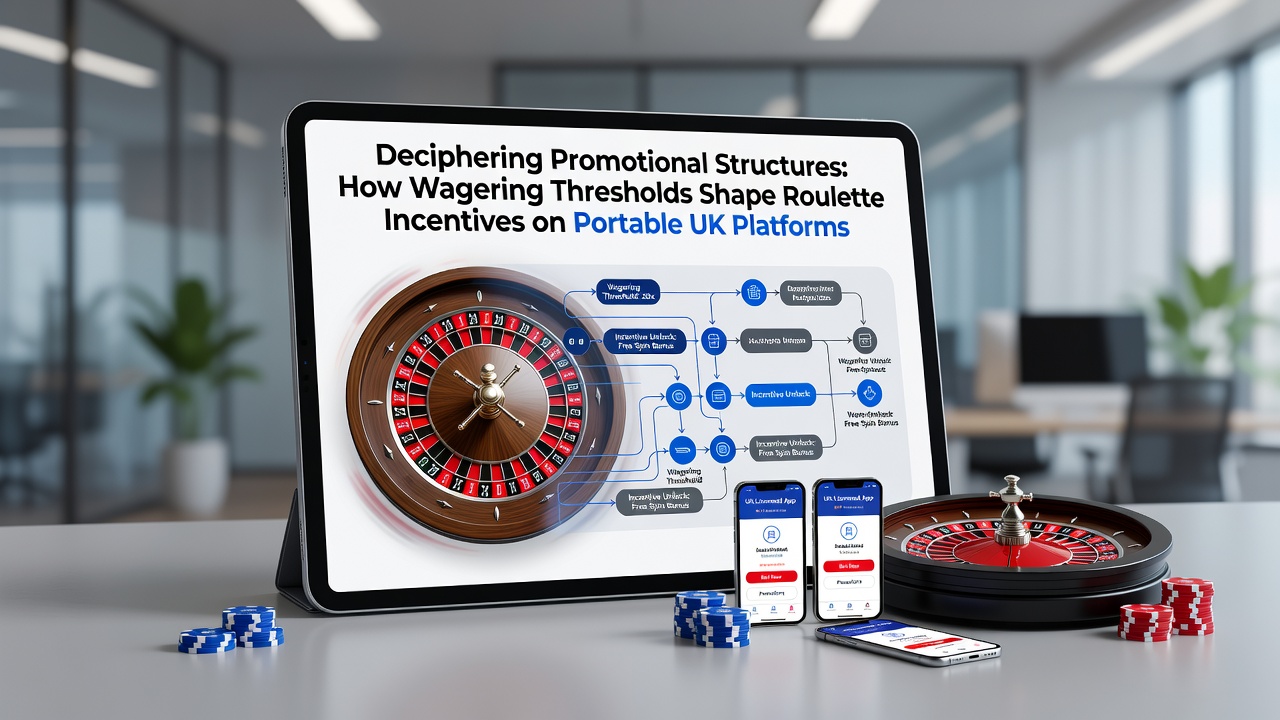
Wagering Demands and Roulette Rewards: Examining Threshold Effects in UK Mobile Casino Offers
Promotional structures in online roulette have evolved to include specific wagering thresholds that determine how incentives convert into usable funds on portable devices across UK platforms, and these thresholds often dictate the number of spins or bets required before withdrawal eligibility begins.
Data from industry reports shows that wagering requirements typically range between 20x and 50x the bonus amount, while operators adjust these figures based on game type with roulette sometimes carrying higher multipliers due to its lower house edge compared to other titles.
Core Components of Threshold Mechanics
Thresholds function as multipliers applied to deposited or bonus funds, and they create a sequential process where players must accumulate a set volume of wagers before accessing any resulting balance; this setup appears in welcome packages as well as ongoing reload structures that target mobile users during peak hours.
Platform operators segment these requirements by contribution rates, so roulette bets might count at 50 percent toward the total while table games like blackjack count lower or get excluded entirely in some cases, and this differentiation shapes player decisions around which incentives to pursue on portable screens.
Impact on Mobile User Engagement Patterns
Portable platforms report higher engagement when thresholds align with shorter completion windows, and June 2026 figures indicate a noticeable uptick in session lengths for roulette titles that feature reduced multipliers during promotional periods.
Users navigate these structures through in-app trackers that display progress toward the required amount, which reduces confusion while encouraging continued play across multiple devices without resetting the counter.
One study from the University of Nevada's gaming research division revealed that clear threshold communication correlates with sustained activity, whereas opaque terms lead to higher abandonment rates after initial deposits.
Comparative Analysis Across UK Operators
Different sites apply thresholds in distinct ways, with some capping maximum bet sizes during the wagering phase to prevent rapid completion while others impose time limits that force players to meet targets within seven to thirty days.
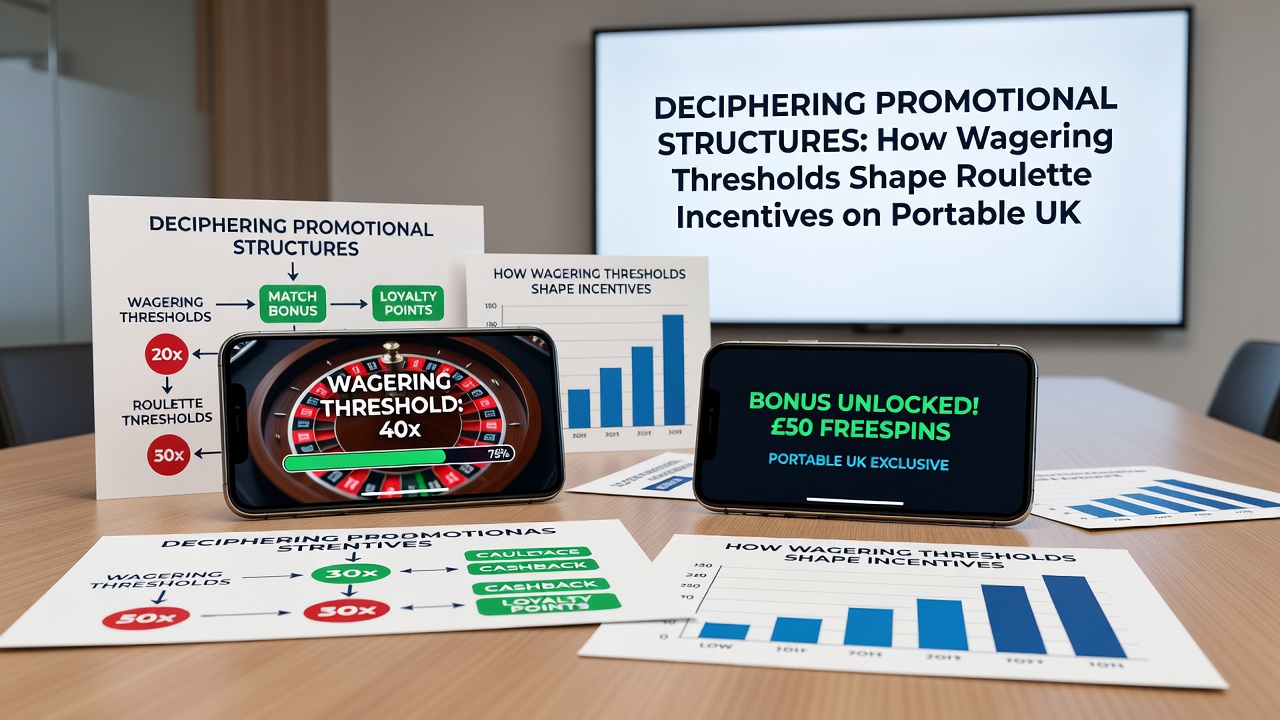
These variations create a landscape where mobile users compare offers based not only on bonus size but also on the practical effort needed to unlock value, and data indicates that platforms offering roulette-specific incentives with moderate thresholds maintain steadier retention metrics through mid-2026.
External comparisons with markets like those monitored by the European Gaming and Betting Association highlight similar patterns, where mobile-optimized thresholds influence cross-border player migration toward more transparent systems.
Technical Implementation on Portable Interfaces
App developers integrate real-time calculators into roulette interfaces that adjust remaining wagering needs after each spin, and this feature helps users track contributions from individual bets without leaving the game screen.
Security protocols ensure that threshold tracking remains accurate across sessions, preventing discrepancies that could arise from network interruptions common on mobile connections throughout the UK.
Regulatory Context and Industry Standards
While specific rules vary, broader guidelines from bodies like the Responsible Gambling Council in Canada emphasize clear disclosure of wagering terms, which has prompted UK platforms to standardize how they present thresholds in app stores and promotional materials as of June 2026.
These standards encourage operators to list contribution percentages and maximum bet restrictions upfront, reducing instances where players encounter unexpected barriers during the completion process.
Future Directions for Threshold Design
Developments in mobile technology suggest thresholds will incorporate dynamic adjustments based on player history, allowing personalized requirements that scale with activity levels rather than applying uniform multipliers across all users.
Analysts tracking these shifts note that such adaptations could streamline the incentive process while maintaining the core protective function that wagering thresholds serve against rapid fund extraction.
Conclusion
Wagering thresholds continue to define how roulette incentives operate on UK mobile platforms, with their structure influencing everything from game selection to session duration and overall platform loyalty through mid-2026 and beyond.
Clear presentation of these mechanics alongside technical tools for tracking progress supports informed participation, and ongoing refinements in design point toward more tailored experiences that balance operator requirements with user accessibility.