Roulette Reward Systems Adapting Through Network Collaborations in UK Casinos
Written by Jordan Hartmann · May 16, 2026

Roulette Reward Systems Adapting Through Network Collaborations in UK Casinos
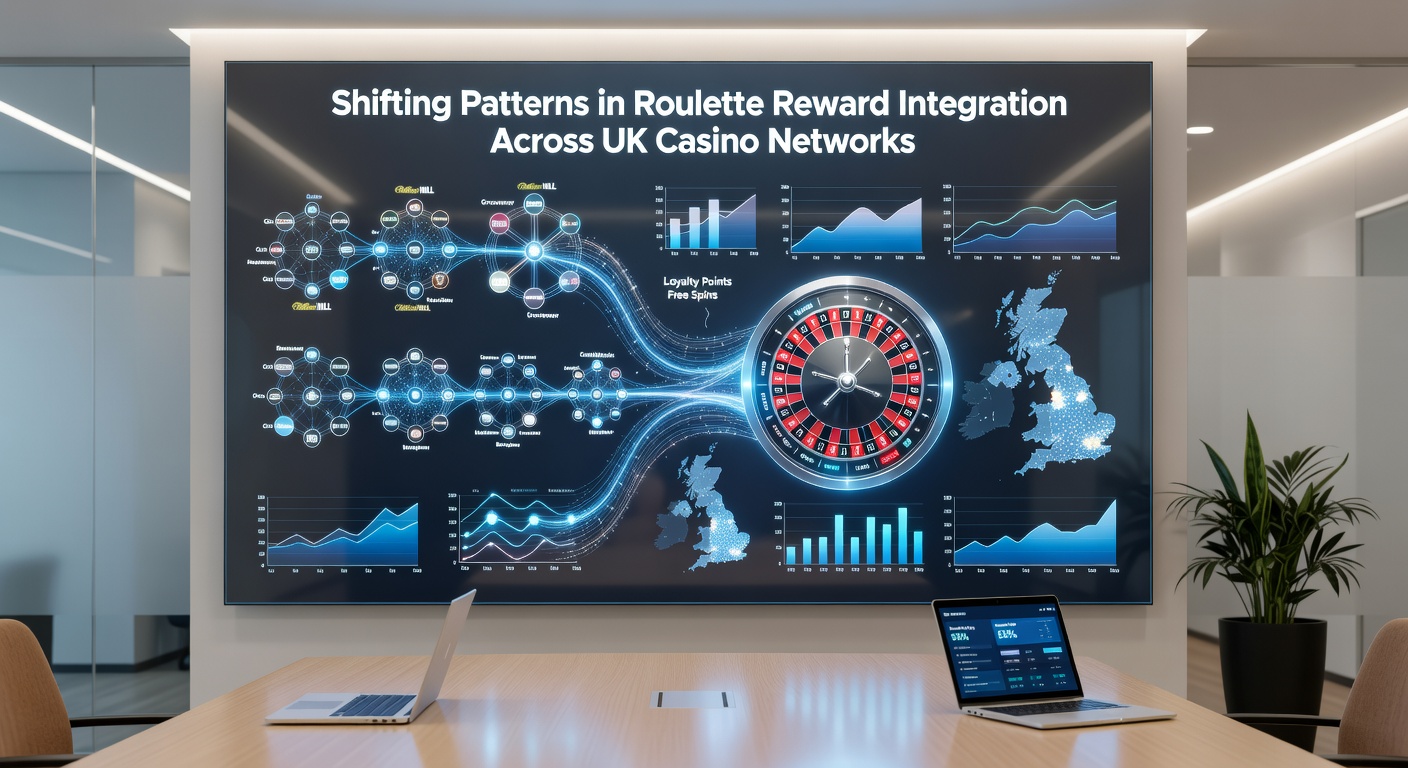
UK casino operators have shifted roulette reward structures from isolated promotions toward unified systems that span multiple platforms within shared networks, and this change has accelerated through 2026. Networks now link player accounts so that roulette-specific bonuses activate across affiliated sites without separate registrations or resets, while data synchronization allows progress toward milestones to carry forward automatically. Observers note that such arrangements reduce duplication in bonus tracking and create consistent reward pathways for roulette enthusiasts who move between brands under the same corporate umbrella.
Technology Enabling Cross-Platform Bonus Flows
Centralized databases and API connections form the backbone of these integrations, and operators deploy them to merge loyalty ledgers from different casino brands into single profiles. When a player completes a roulette wager on one site, the activity registers instantly on the shared system, unlocking tiered rewards that apply elsewhere in the network. By May 2026 several groups rolled out real-time dashboards that display combined roulette statistics and pending bonuses, cutting down on manual claims that previously fragmented player engagement.
Cloud-based platforms handle the heavy lifting here, and they support features such as dynamic odds adjustments tied to network-wide play volume. Those who study these systems report that latency dropped below two seconds for bonus updates during peak hours, which keeps roulette sessions fluid across devices and locations. Partnerships with software providers specializing in gaming infrastructure have driven much of this progress, since legacy systems could not scale to handle multi-site data exchange at current volumes.
Shared Loyalty Metrics Reshaping Player Progression
Reward tiers now aggregate roulette activity from every casino in a given network rather than resetting at each brand boundary, and this aggregation produces faster advancement for consistent players. Data compiled across networks shows average time to reach mid-level status fell by roughly 30 percent after integration launches, because points earned on one roulette table contribute directly to unlocks on another. Operators adjust bonus values according to these pooled figures, which creates incentives for players to explore different sites instead of staying within a single venue.
Personalization engines draw on the combined datasets to tailor roulette offers, such as free spin packages calibrated to a player's historical bet sizes and session lengths. Those engines also factor in network-wide patterns, so a user who favors European roulette variants receives targeted reload credits that function identically at partner casinos. Research from the Responsible Gambling Council of Canada indicates that integrated tracking tools help operators monitor play intensity more accurately, though the primary driver remains commercial efficiency rather than regulatory pressure alone.
Partnership Models and Their Operational Effects
Merger activity among mid-sized operators has produced larger networks capable of pooling marketing budgets for roulette-specific campaigns, and these campaigns often launch simultaneously across every brand in the group. Joint ventures allow smaller casinos to tap into sophisticated bonus engines without building the infrastructure themselves, which expands the reach of advanced reward mechanics to regional sites that previously offered only basic promotions. One documented case involved three independent operators merging their roulette loyalty ledgers into a single portal, after which cross-redemption rates rose within the first quarter of operation.
Settlement processes for shared bonuses rely on automated clearing houses that allocate costs proportionally based on where the player generated the qualifying activity. This arrangement prevents disputes over revenue sharing and keeps the focus on seamless delivery to the end user. Figures from industry analyses reveal that networks employing these models recorded higher retention among roulette players compared with standalone operations during the same period.
Future Trajectories for Network-Based Roulette Incentives
Continued refinement of interoperability standards will likely extend integration beyond loyalty points into live dealer roulette environments, where bonus triggers could activate during streamed sessions hosted by partner studios. Early tests in May 2026 already demonstrated partial success with hybrid land-based and online reward redemptions, suggesting broader adoption in coming months. Academic work from the International Gaming Institute at the University of Nevada highlights how such connectivity alters player decision-making patterns, particularly around wager sizing and session duration across linked platforms.
Security protocols have evolved alongside these systems to protect pooled data, incorporating encryption layers that isolate individual casino records while permitting aggregate analytics. Network operators continue testing blockchain elements for transparent audit trails of bonus movements, though widespread deployment remains limited to pilot programs at present. The cumulative result is a landscape where roulette rewards function as portable assets within defined ecosystems rather than static offers tied to single domains.
Conclusion
Network-level integration has restructured how roulette bonuses operate across UK casino groups by emphasizing shared data flows and synchronized reward delivery. Operators gain operational efficiencies while players encounter fewer barriers when moving between affiliated sites. As synchronization tools mature through 2026 and beyond, the pattern points toward even tighter linkages that treat roulette activity as a continuous thread rather than a series of disconnected sessions.