Retention Dynamics in Regulated Wheel Gaming Markets: Incentive Structures Under the Microscope
Written by Devon Schwarz · Aug 13, 2026
Retention Dynamics in Regulated Wheel Gaming Markets: Incentive Structures Under the Microscope
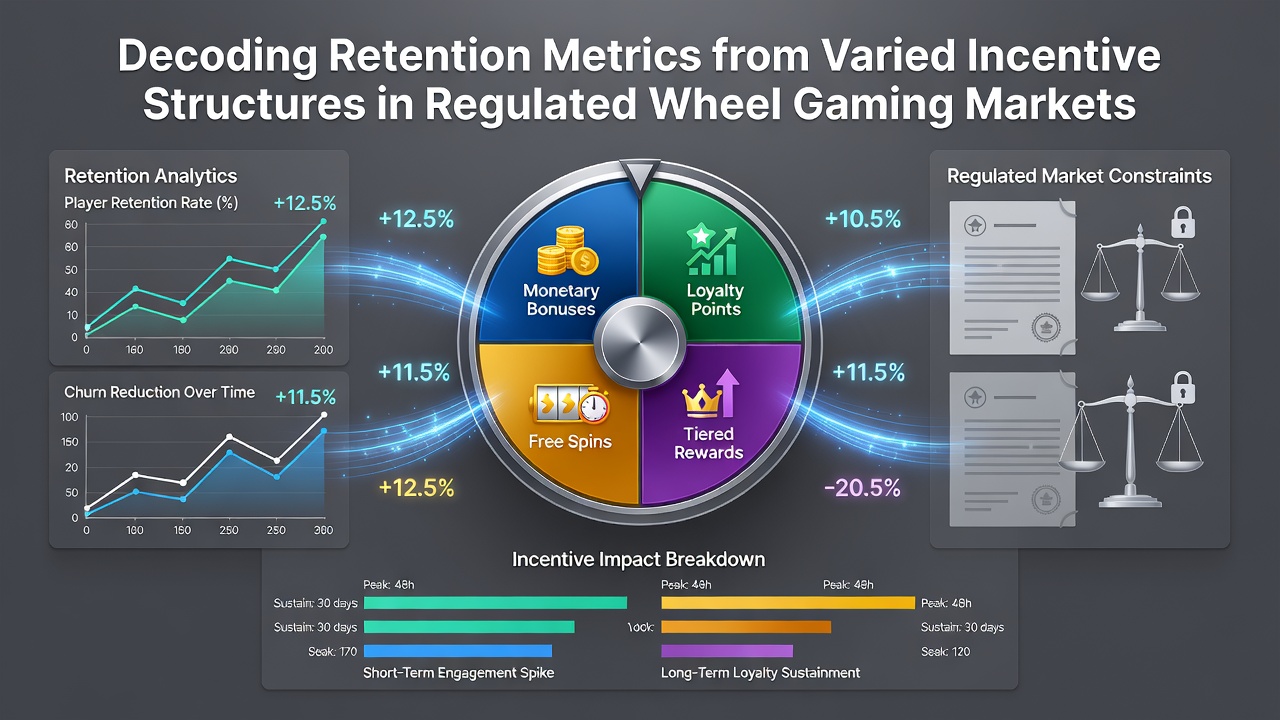
Regulated wheel gaming markets encompass roulette and similar chance-based wheel games that operate under strict licensing frameworks in multiple jurisdictions, and retention metrics serve as key indicators for operators seeking to maintain player engagement over extended periods. Data from various regulatory bodies reveals that incentive structures such as deposit matches, loyalty points, and cashback programs directly influence metrics including player lifetime value, session frequency, and churn rates, while compliance requirements shape how these incentives are deployed.
Analysts track retention through standardized formulas that calculate repeat play rates and average revenue per user, and studies from academic institutions demonstrate correlations between structured reward tiers and sustained participation in wheel-based formats. In markets where wheel gaming falls under oversight from entities like the New Jersey Division of Gaming Enforcement, operators must align incentives with responsible gaming protocols that limit maximum stakes and mandate clear disclosure of terms.
Core Components of Retention Measurement
Retention metrics break down into quantitative measures such as monthly active users and day-one return rates, alongside qualitative factors like player satisfaction scores collected through post-session surveys. Observers note that these figures become particularly telling when segmented by incentive type, because deposit-based offers tend to boost initial return visits whereas ongoing loyalty schemes correlate with longer-term activity spans. Research indicates that operators in controlled environments often segment data by game category, isolating wheel gaming outcomes from slot or table game performance to identify precise drivers of loyalty.
Those who've examined datasets across multiple quarters find that retention improves when incentives incorporate progressive elements, for example escalating rewards after a set number of wheel spins or cumulative wagers. Yet the effectiveness varies by market maturity, with newer regulated regions showing higher sensitivity to welcome incentives compared to established ones where players respond more to personalized reload offers. Figures from industry reports reveal seasonal fluctuations, and August 2026 data from several North American jurisdictions highlighted elevated retention during major sporting events when paired with targeted wheel gaming promotions.
Incentive Structures and Their Measured Impacts
Operators deploy a range of incentive models that include percentage-based deposit bonuses, no-deposit free spin packages, and tiered cashback systems, each tied to specific retention outcomes. Data shows deposit match offers frequently elevate short-term metrics like seven-day retention, while cashback programs sustain activity across longer windows by reducing perceived loss exposure on wheel outcomes. Regulatory constraints in places such as certain Canadian provinces require wagering requirements that cap bonus conversion rates, thereby influencing how quickly players recycle incentives into continued play.
Case examples from operators in the Asia-Pacific region illustrate that hybrid structures combining immediate rewards with milestone bonuses produce steadier retention curves than single-type approaches. One study from a research institution in Australia documented a 12 percent lift in repeat sessions when incentives featured both time-limited and ongoing components, whereas purely time-bound offers led to sharper post-promotion drop-offs. Those monitoring these patterns emphasize that transparency in terms and conditions remains essential, since unclear rules can erode trust and accelerate churn regardless of the incentive value.
Regional Regulatory Influences on Incentive Design
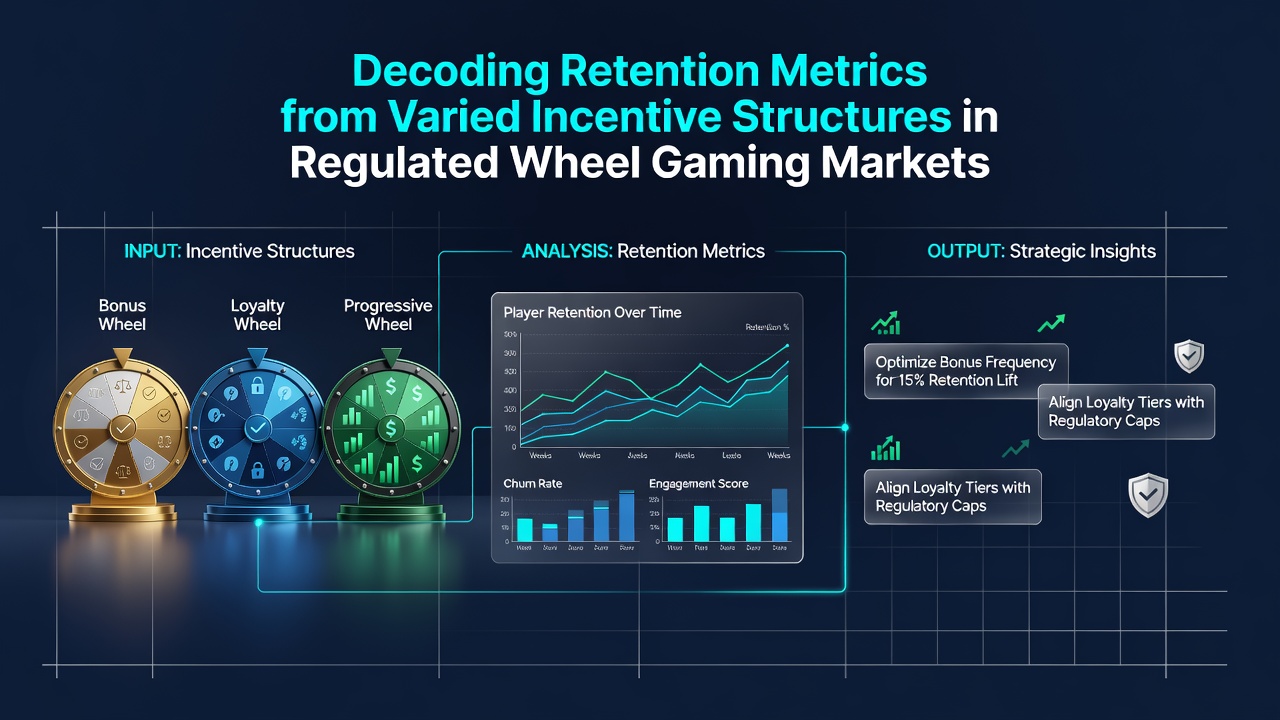
Regulatory frameworks dictate permissible incentive structures, with some jurisdictions capping bonus values or mandating contribution percentages toward wagering requirements. In the European Union, directives from bodies overseeing multiple member states enforce standardized player protection measures that affect how wheel gaming promotions are advertised and fulfilled. Australian state-level commissions similarly impose advertising codes that limit promotional language, resulting in operators favoring loyalty programs over aggressive welcome offers to maintain compliance while supporting retention goals.
North American markets present a patchwork of rules, where individual state or provincial regulators set distinct parameters for incentive deployment. Observers have documented that operators adapting incentives to local rules achieve more stable retention figures because players encounter consistent, trustworthy offers. What's interesting is how cross-border operators standardize core metrics yet customize incentive delivery, ensuring wheel gaming promotions align with each region's responsible gaming mandates without sacrificing engagement potential.
Future Considerations for Metric Interpretation
As data analytics tools advance, retention measurement incorporates machine learning models that predict churn based on incentive interaction patterns, allowing operators to refine structures proactively. Evidence from recent industry analyses suggests integration of real-time feedback loops improves accuracy of retention forecasts, particularly in wheel gaming where session lengths fluctuate with bonus availability. Regulators continue to evolve guidelines around incentive transparency, and operators who align early with emerging standards position themselves for sustained player bases.
Conclusion
Retention metrics derived from varied incentive structures provide operators in regulated wheel gaming markets with actionable insights when analyzed against regional compliance requirements and player behavior data. Jurisdictions worldwide continue to refine rules that balance commercial objectives with consumer safeguards, and those who study these interactions gain clearer views of how specific rewards translate into lasting engagement. Continued monitoring of metrics across diverse markets will remain central to understanding incentive effectiveness in this evolving sector.