Payment Method Dynamics Affecting Roulette Bonus Qualification on Regulated British Sites
Written by Parker Vogel · Jun 4, 2026
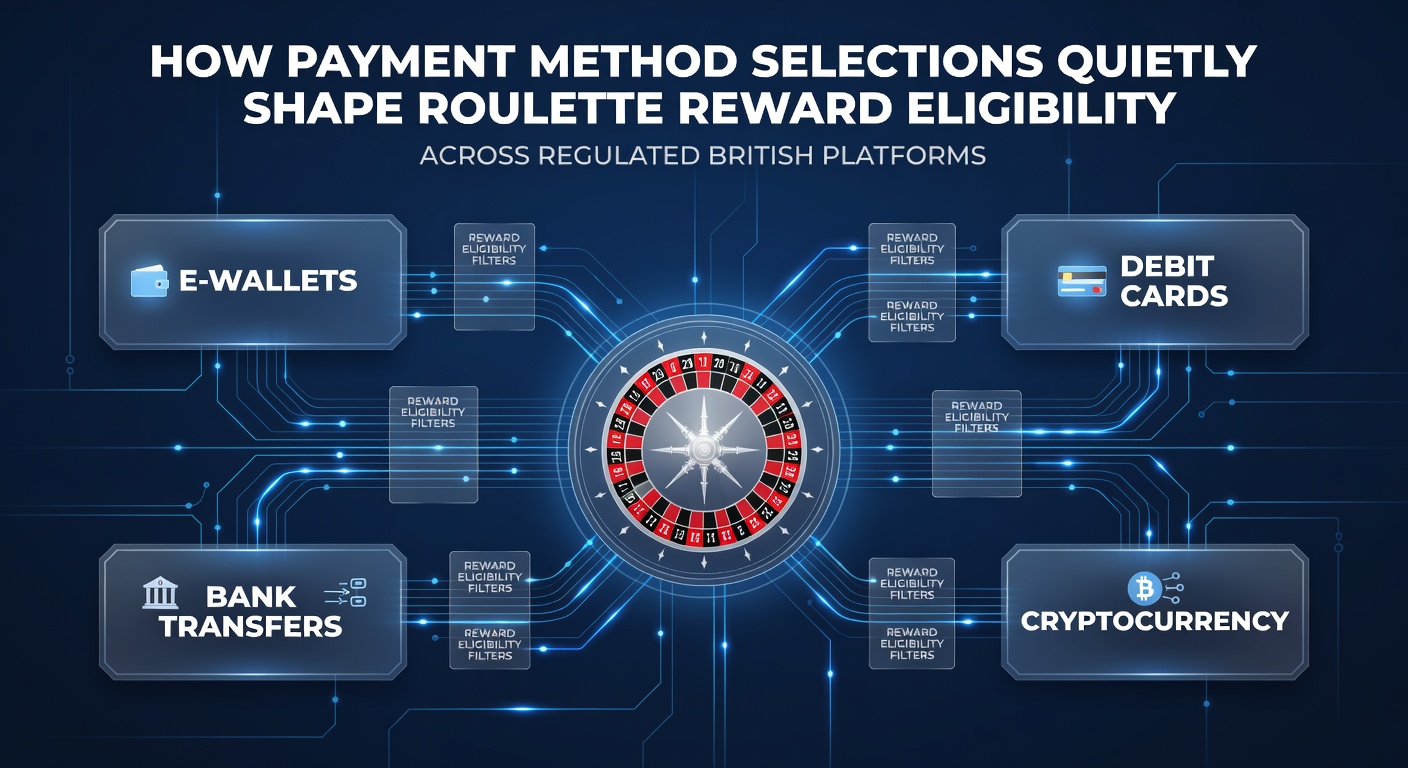
Payment Method Dynamics Affecting Roulette Bonus Qualification on Regulated British Sites
Payment selections at regulated British platforms determine which roulette players access specific reward structures, since operators apply distinct eligibility rules based on deposit channels. Data from industry reports shows that credit cards, e-wallets, and bank transfers trigger different bonus pathways, while certain processors remain excluded from promotional pools entirely. Those who study player behavior across multiple sites notice patterns where deposit method directly influences wagering multipliers and game restrictions attached to roulette offers.
Deposit Channels and Bonus Activation Rules
Operators segment payment options into qualifying and non-qualifying categories, which means players using debit cards often meet bonus activation thresholds faster than those relying on prepaid vouchers. Figures reveal that e-wallet deposits such as PayPal or Skrill frequently carry higher minimum amounts before any roulette reward becomes available, whereas direct bank transfers sometimes bypass standard eligibility checks altogether. This segmentation creates situations where the same roulette session yields different promotional outcomes solely because of the chosen funding route.
Research indicates that many platforms enforce method-specific exclusions during promotional periods, particularly when new roulette variants launch. A player depositing via cryptocurrency processors may find reward eligibility suspended until verification completes, while credit card users receive instant qualification. Observers note that these distinctions appear in terms and conditions sections that list approved processors alongside excluded ones, guiding players toward certain options if they seek roulette-specific incentives.
Regulatory Framework Shaping Payment Eligibility
British regulations require operators to maintain transparent payment policies that affect bonus distribution, which leads platforms to publish updated lists of accepted methods each quarter. Data shows that restrictions on credit card deposits for gambling purposes, introduced in earlier years, continue to steer players toward alternative funding sources that may carry distinct bonus terms. Those who've examined compliance documents find that operators must clearly state which payment channels contribute toward wagering requirements for roulette rewards.
Studies from the Responsible Gambling Council highlight how payment transparency measures across jurisdictions influence player choices in markets like the UK, where licensed sites must separate bonus-eligible deposits from standard transactions. This separation means June 2026 updates to verification protocols could further differentiate eligibility based on whether a player uses instant or delayed processing methods.

Variations Across E-wallets and Traditional Banking
E-wallet transactions often receive priority processing for roulette bonuses because they provide faster confirmation compared with traditional bank wires. Operators apply reduced wagering thresholds to these deposits in many documented cases, which allows quicker progression toward cashout after completing roulette playthroughs. Yet bank transfer users sometimes encounter extended eligibility windows that delay reward activation until funds clear through multiple verification stages.
Industry analyses demonstrate that certain e-wallets integrate directly with loyalty tracking systems, automatically tagging deposits for roulette reward pools, while others require manual selection during checkout. Players who switch between methods mid-session discover that only the initial qualifying deposit counts toward bonus progression, creating layered outcomes based on timing and processor choice.
Case Examples from Platform Practices
One documented pattern shows platforms offering enhanced roulette cashback when deposits arrive through specific digital wallets, while standard card payments receive base-level incentives only. Another case involves reload bonuses tied exclusively to bank transfers during promotional windows, which directs player traffic toward those channels. These examples illustrate how payment selection quietly filters access without altering the underlying roulette gameplay itself.
Additional observations from multiple sites indicate that prepaid card deposits frequently fall outside reward eligibility because they lack linkage to verified player accounts. This exclusion forces users to adopt secondary methods if they intend to combine roulette sessions with active bonus campaigns. Data indicates these shifts occur most visibly during high-traffic periods when operators adjust terms to manage promotional budgets.
Implications for Player Strategy and Platform Design
Players review payment terms before funding because method selection determines whether roulette rewards apply at all, and operators design interfaces that highlight qualifying options at deposit screens. Research from the Australian Gambling Research Centre shows similar payment-based segmentation patterns in other regulated markets, where bonus eligibility hinges on processor compliance rather than player status alone. Platforms therefore maintain detailed method guides that list eligible channels alongside their associated roulette reward conditions.
June 2026 projections suggest continued refinement of these systems as new payment technologies emerge, potentially expanding or contracting the range of options that unlock roulette-specific incentives. Those monitoring platform updates note that operators test different combinations regularly, adjusting eligibility criteria based on transaction volume and compliance feedback.
Conclusion
Payment method selections establish the foundation for roulette reward eligibility across regulated British platforms through structured rules that tie deposit channels to specific promotional outcomes. Observers document consistent differentiation between processors regarding activation speed, wagering thresholds, and exclusion lists, which shapes how players approach funding decisions. Data continues to show that transparent disclosure of these distinctions remains central to maintaining compliance while guiding roulette engagement on licensed sites.