Navigating Progressive Reward Ladders in Virtual Wheel Gaming Environments
Written by Devon Schwarz · Aug 30, 2026
Navigating Progressive Reward Ladders in Virtual Wheel Gaming Environments
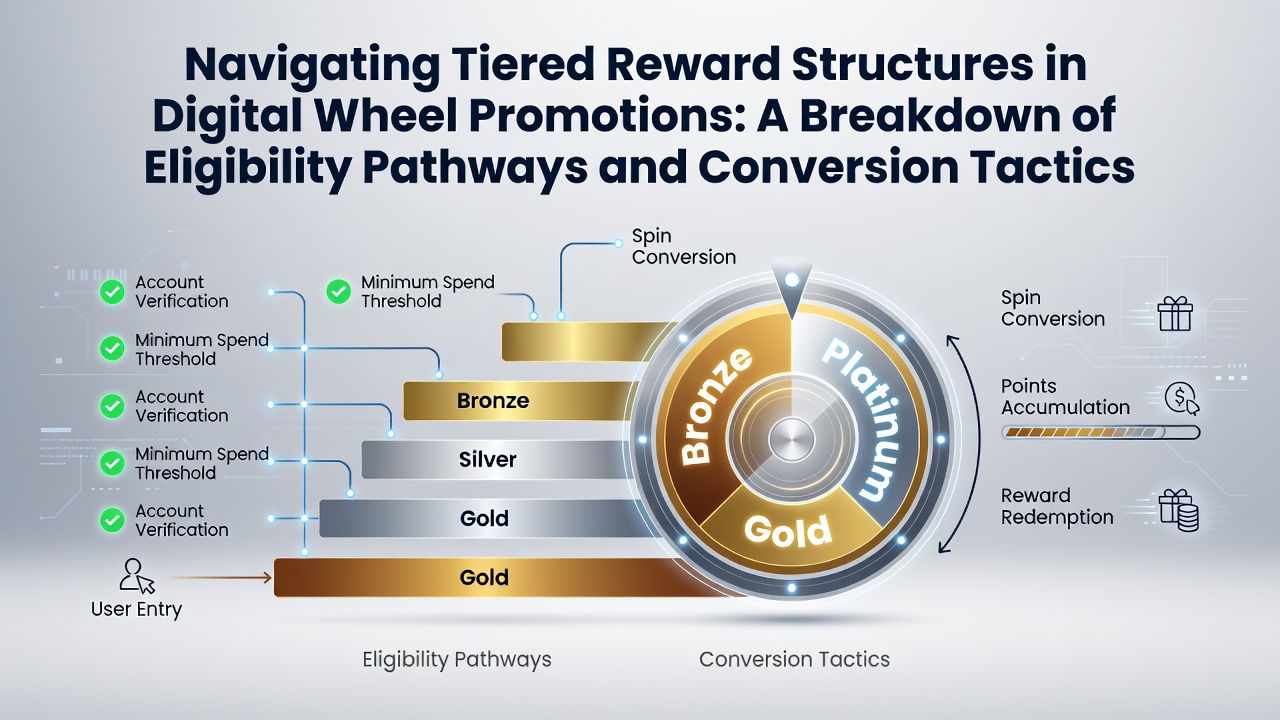
Digital wheel promotions operate through structured reward ladders that assign players to different benefit levels based on deposit volume, gameplay frequency, and total wager amounts, while eligibility pathways require meeting specific criteria such as minimum deposits or account verification steps before advancing to higher tiers. These systems appear across various online platforms where roulette wheels form the core mechanic, and operators define tiers through cumulative activity metrics that unlock increased bonus percentages, reduced wagering multipliers, or exclusive wheel features as participants move upward.
Core Components of Tiered Structures
Each tier builds on the previous one through defined thresholds, so a base level might grant standard deposit matches with standard wagering, whereas mid-level tiers introduce cashback percentages on net losses and top tiers deliver personalized wheel spins with higher payout potential; data from industry reports indicates these progressions encourage sustained engagement because players track their advancement through dashboards that display remaining requirements in real time. Observers note that operators often reset tier standings at set intervals, such as monthly cycles, which means accumulated points or activity levels determine status retention rather than permanent elevation, and this reset mechanism influences how players time their larger deposits to secure or maintain elevated positions.
Eligibility Pathways and Advancement Criteria
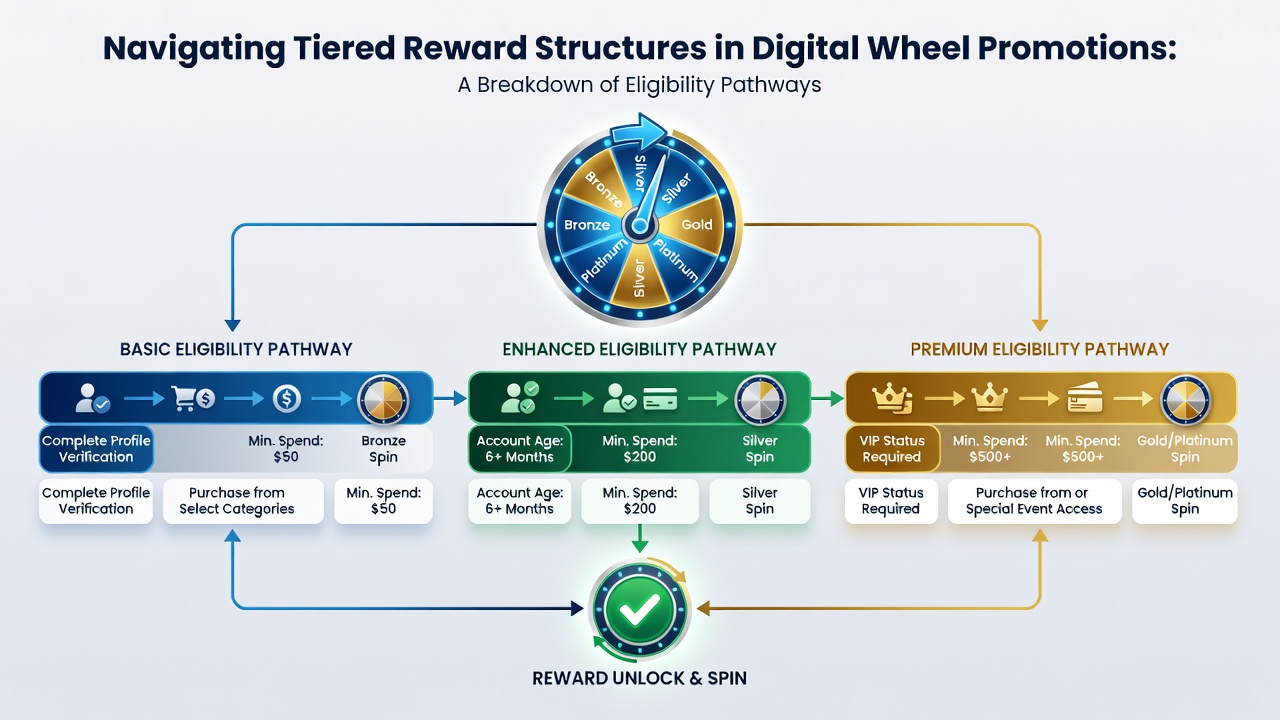
Pathways to higher tiers typically combine deposit milestones with gameplay volume, so reaching the first upgrade often demands a single qualifying deposit within a promotion window while subsequent levels require combined deposits plus a minimum number of completed wheel spins or total staked amounts over consecutive days. Research from academic sources shows that verification processes, including identity checks and payment method confirmations, serve as gatekeepers that must complete before any tier benefits activate, and failure to satisfy these steps blocks progression even when financial thresholds are met. In August 2026 several platforms introduced streamlined verification integrations that reduced approval times from days to hours, allowing faster tier access for players who submit documentation promptly, whereas those relying on manual reviews experienced delays that postponed bonus conversions.
Conversion Tactics and Wagering Mechanics
Conversion from bonus funds to withdrawable cash hinges on meeting wagering requirements that scale with tier status, because lower tiers carry higher multipliers while elevated tiers reduce those demands or add exceptions for specific wheel bets such as even-money wagers counting at full value toward completion. Tactics employed by players include selecting games with high contribution rates toward wagering, timing play during periods when operators run double-progression events, and combining multiple smaller deposits to hit tier thresholds without triggering single-transaction caps; figures from the Nevada Gaming Control Board reveal that structured play patterns aligned with tier calendars improve successful conversion rates compared with unstructured approaches. Those who study these systems find that tracking bonus expiration dates alongside tier reset schedules prevents loss of partially converted funds, and many platforms now display real-time wagering trackers that update after each spin to guide decision-making on when to increase bet sizes.
Regional Variations in Implementation
European operators tend to emphasize cashback tiers tied to loyalty points earned per euro wagered, whereas North American platforms integrate tier benefits with seasonal events that temporarily boost advancement speed during major sporting calendars. Australian regulatory data from the Victorian Commission for Gambling and Liquor Regulation highlights how mandatory responsible gaming checks now intersect with tier eligibility, requiring operators to pause advancement for accounts flagged under risk assessment protocols until players complete additional verification or cooling-off periods. These regional differences create distinct navigation strategies because players operating across borders must adapt to varying contribution percentages and reset frequencies that affect how quickly they can convert rewards.
Conclusion
Tiered reward structures in digital wheel promotions function through interconnected eligibility requirements and conversion conditions that reward consistent activity while enforcing structured progression, and successful navigation depends on understanding deposit thresholds, wagering multipliers, and reset mechanics that govern each level. Players who monitor dashboard indicators and align their participation with promotional calendars maintain steady advancement, whereas misalignment with verification or timing rules stalls progress regardless of spend volume. The framework continues to evolve as operators introduce new tier benefits and regulatory bodies refine oversight around bonus transparency across different jurisdictions.