Layered Incentives: Dissecting the Combination of Deposit-Free Rewards and Wagering Thresholds for Wheel Enthusiasts
Written by Parker Vogel · Jul 9, 2026
Layered Incentives: Dissecting the Combination of Deposit-Free Rewards and Wagering Thresholds for Wheel Enthusiasts
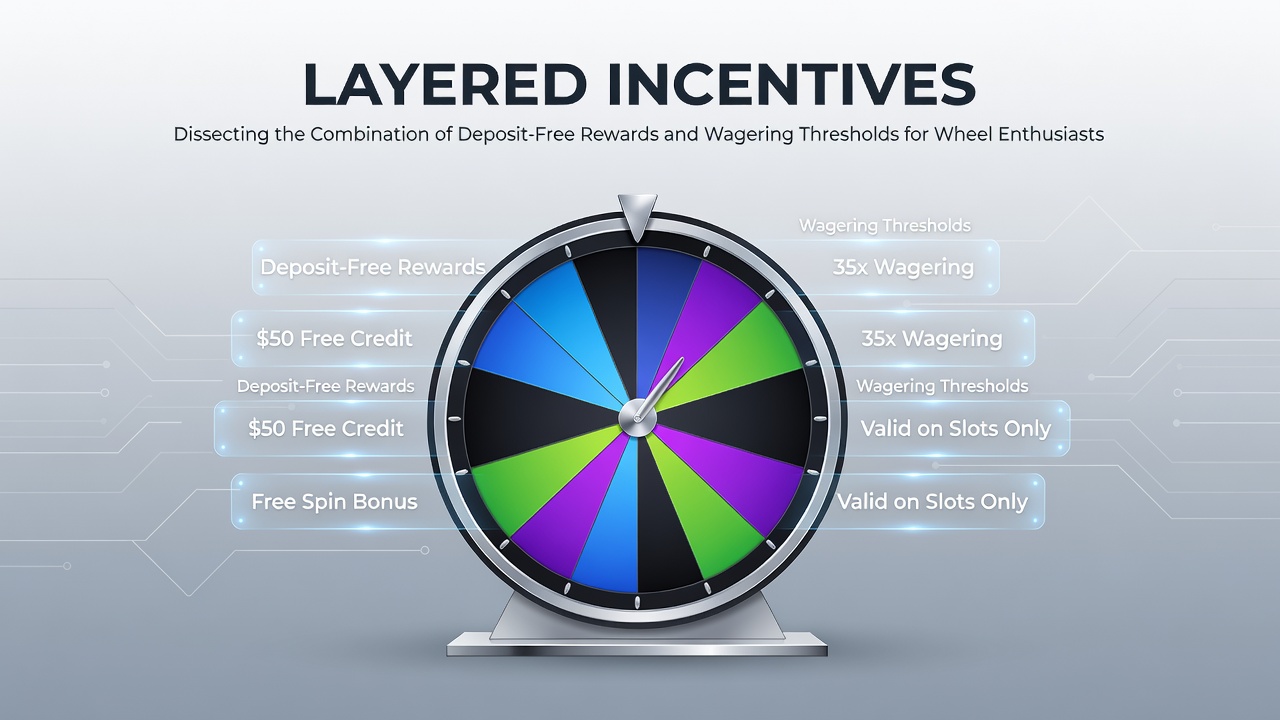
Deposit-free rewards function as entry points for roulette players who want to test games without initial financial commitment, yet these offers consistently pair with wagering thresholds that dictate how much play is required before any winnings convert to withdrawable funds. Observers note that such combinations create structured pathways where the initial credit amount, often ranging from £5 to £20 in many platforms, demands multiples of 30x to 50x in total bets to meet release conditions, and these mechanics have gained attention amid evolving market conditions through July 2026.
Mechanics of Deposit-Free Rewards in Roulette Contexts
Deposit-free rewards typically arrive as bonus credits or free spins upon account verification, and researchers from industry studies highlight how these incentives target wheel enthusiasts specifically because roulette rounds allow precise tracking of bet volumes against thresholds. Data from regulatory reports in various regions shows that eligibility often hinges on geographic restrictions, age verification, and sometimes a minimum deposit made after the bonus activates, though the core appeal remains the zero upfront cost. Those who've examined platform terms find that roulette contributions to wagering progress at rates of 100% for even-money bets while excluding certain inside bets or applying lower percentages to others, which shapes player strategies around outside bets like red/black or high/low to accelerate threshold completion.
Wagering Thresholds and Their Layered Integration
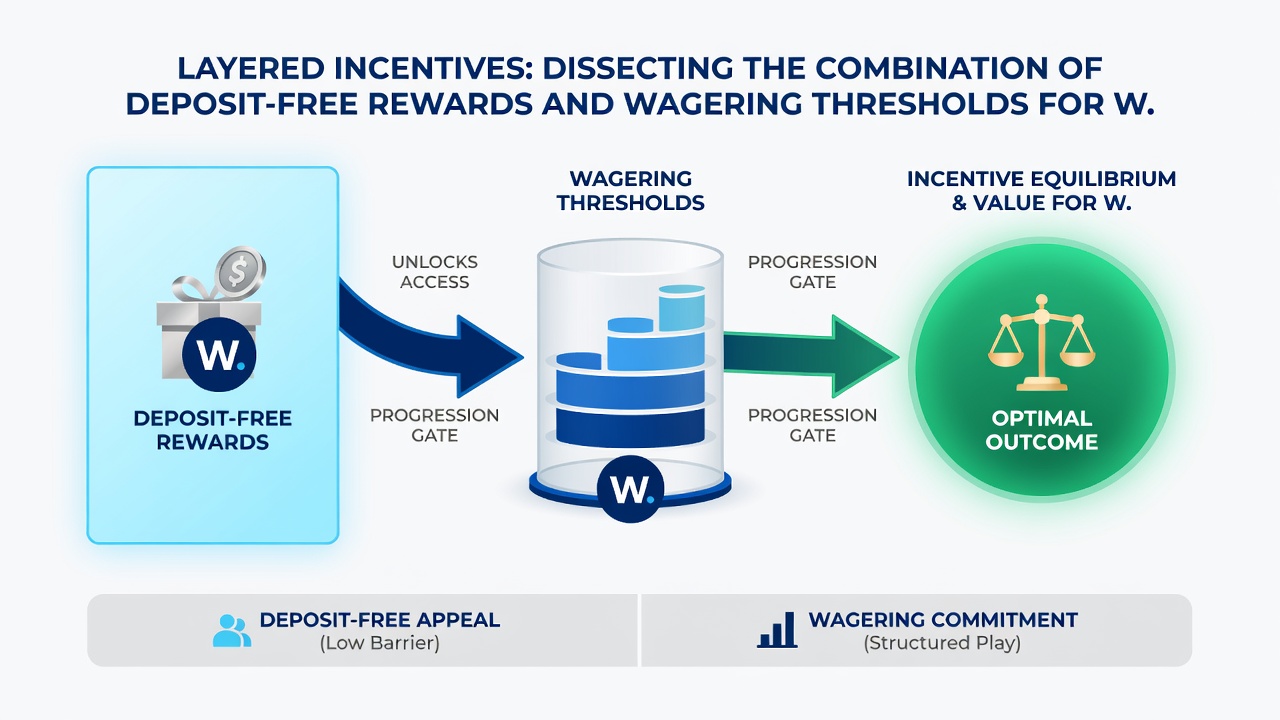
Wagering thresholds layer directly onto deposit-free rewards by converting the bonus into a multiplier obligation, and evidence from multiple gaming analyses indicates that a £10 reward might require £300 to £500 in cumulative roulette wagers depending on the operator's formula. This structure ensures extended play sessions, during which house edges on wheel games compound naturally, yet it also introduces variables such as time limits of 7 to 30 days for requirement fulfillment and maximum bet caps per spin that prevent rapid clearing. Figures from academic examinations of bonus ecosystems reveal consistent patterns where players who combine these rewards with reload opportunities maintain longer engagement cycles, while those who overlook the thresholds encounter forfeiture of both bonus and accrued winnings at expiration.
Regional Variations and Compliance Frameworks
International comparisons demonstrate how different oversight bodies shape these layered systems, with sources such as the Australian Gambling Research Centre documenting regional adaptations where deposit-free offers integrate stricter thresholds in high-regulation markets compared to more flexible approaches elsewhere. In parallel, data compiled by the National Center for Responsible Gaming illustrates how North American platforms adjust wagering multiples based on game volatility, applying higher requirements to roulette variants that feature lower house edges. July 2026 has seen platforms refine these combinations further, incorporating dynamic thresholds that scale with player history and deposit patterns to align with broader responsible gaming protocols across jurisdictions.
Player Navigation of Combined Structures
Wheel enthusiasts navigate these layered incentives by calculating effective return rates after thresholds, and studies indicate that successful clearance often demands bankroll management techniques that allocate separate funds for bonus play versus cash bets. Platforms frequently embed progress trackers within account dashboards, allowing real-time monitoring of remaining wagering volume, while terms specify that winnings from deposit-free rewards remain segregated until thresholds are fully met. Observers have documented cases where multi-wheel formats or live dealer variants contribute differently to progress, prompting players to prioritize standard European or American wheels for optimal advancement toward release conditions.
Operational Impacts on Platform Ecosystems
Operators deploy these combined incentives to balance acquisition costs against retention metrics, with internal analytics showing elevated first-week activity from deposit-free users who then convert at rates influenced by threshold transparency. Industry reports emphasize that clear disclosure of wagering formulas correlates with higher completion percentages, whereas opaque structures lead to increased support queries and session drop-offs. Through mid-2026, refinements have included automated notifications when thresholds near completion, reducing instances where players abandon qualifying wagers prematurely.
Conclusion
The interplay between deposit-free rewards and wagering thresholds forms a defined mechanism that governs access to roulette play without initial deposits, and data across sources confirms these elements operate as interdependent components rather than isolated features. Understanding the precise multipliers, contribution rates, and temporal constraints enables structured participation that aligns bonus activation with achievable play volumes. As platforms continue adapting these layers in response to market and regulatory shifts, the core architecture remains centered on measurable betting requirements that determine the ultimate value extracted from initial credits.