Inside Britain's Digital Wheel Ecosystems: How Device-Specific Incentives Shape Long-Term Player Retention Patterns
Written by Jordan Hartmann · Jun 29, 2026
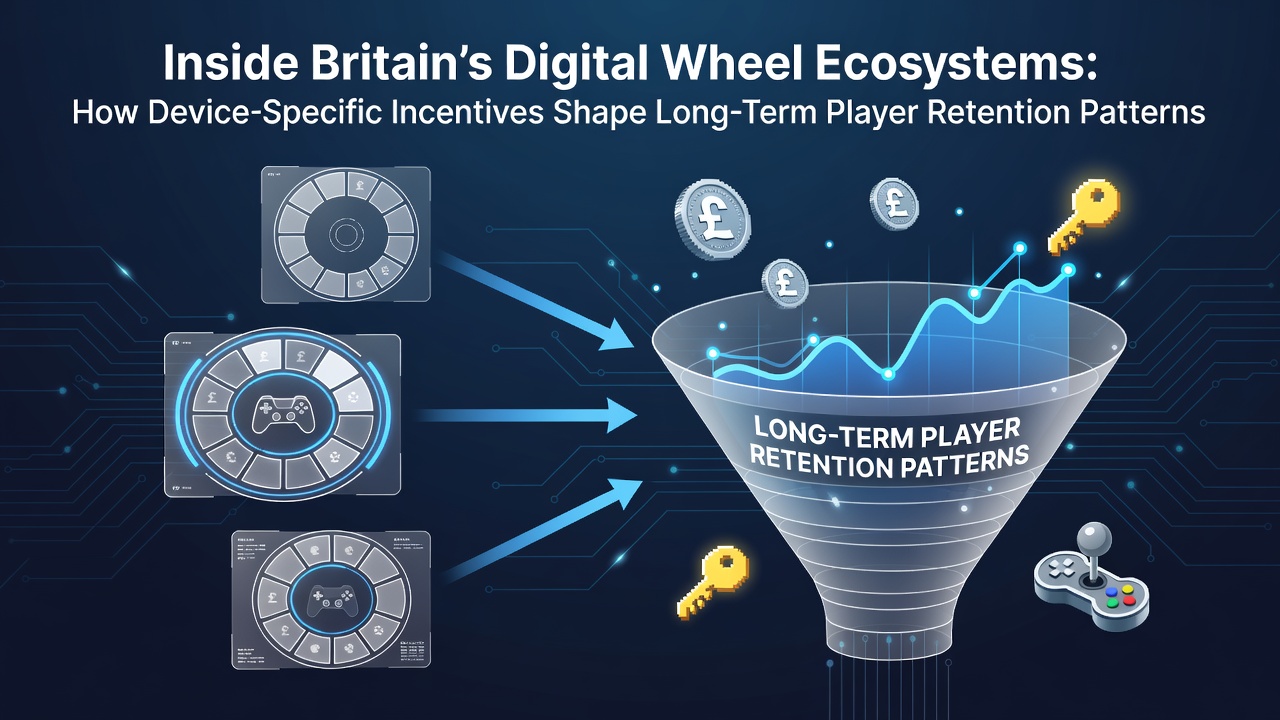
Inside Britain's Digital Wheel Ecosystems: How Device-Specific Incentives Shape Long-Term Player Retention Patterns
Britain's digital roulette platforms operate through interconnected ecosystems where device-specific incentives drive distinct retention trajectories, and operators calibrate offers according to whether players access games via mobile applications, desktop interfaces or tablet environments. Research from industry analytics groups reveals that mobile users encounter tailored reload structures and push notification sequences that encourage daily logins, whereas desktop sessions often feature extended session rewards tied to higher stake volumes. These variations emerge because platform algorithms track hardware signatures alongside behavioral data, allowing for precise deployment of bonuses that align with usage patterns observed across user bases.
Device Segmentation in Roulette Platforms
Operators segment audiences by primary access method, and mobile ecosystems receive frequent micro-incentives such as free spin credits delivered after short intervals of inactivity. Desktop environments, by contrast, deliver periodic loyalty multipliers that accumulate across longer play windows, and tablet configurations blend elements from both approaches through hybrid reward tiers. Data compiled by the Australian Gambling Research Centre shows retention curves diverge sharply after the first thirty days, with mobile cohorts maintaining higher return rates when incentive cadence matches on-the-go interaction habits. Platform developers adjust these mechanics continuously to sustain engagement without triggering regulatory thresholds on bonus frequency.
Incentive Mechanics Across Hardware Types
Mobile applications integrate location-aware triggers that activate roulette wheel bonuses when users enter designated geographic zones, while desktop clients emphasize leaderboard competitions that reward consistent weekly participation. Tablet users receive cross-device synchronization perks that carry progress between sessions on different screens, creating a seamless loop that extends overall lifetime value. Observers note that these hardware-linked features produce measurable differences in churn statistics, particularly when seasonal events around June 2026 introduced updated compliance layers requiring clearer disclosure of device-based eligibility rules. Retention models built from aggregated telemetry indicate mobile players exhibit steadier activity spikes following targeted notifications, whereas desktop cohorts respond more strongly to cumulative progress trackers that unlock larger wheel multipliers.
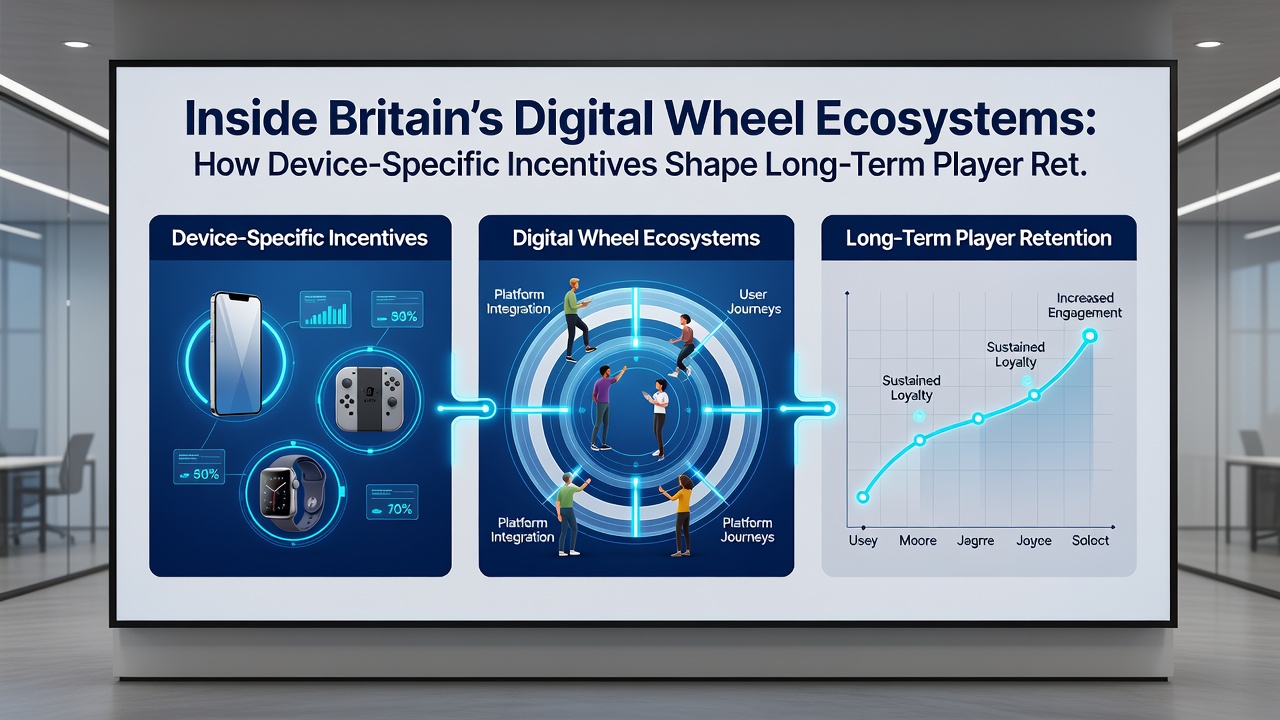
Long-Term Retention Data Patterns
Longitudinal tracking conducted across multiple operator networks demonstrates that players locked into mobile-first incentive cycles display lower attrition after six months compared with those migrating between devices without synchronized rewards. Figures reveal tablet users occupy an intermediate position, retaining at rates influenced by occasional desktop crossover bonuses that prevent fragmentation of play history. Industry reports from the Responsible Gambling Council in Canada highlight how these segmented systems affect overall session duration, with mobile incentives correlating to shorter but more frequent visits that compound into sustained account activity. Desktop-focused structures, meanwhile, correlate with deeper single-session engagement that operators convert into extended loyalty milestones.
Regulatory Context and Ecosystem Adjustments
Regulatory frameworks evolving through 2026 prompted operators to refine incentive transparency, particularly around device eligibility disclosures that appear within account dashboards. European trade associations documented shifts in how platforms communicate these parameters, ensuring users understand why certain wheel bonuses appear only on specific hardware. Such adjustments maintain ecosystem integrity while preserving the retention advantages derived from tailored delivery methods. Platform updates rolled out ahead of peak summer activity periods incorporated clearer segmentation labels, allowing players to anticipate which incentives align with their preferred access routes.
Cross-Platform Migration Effects
When users transition between devices without continuity mechanisms, retention metrics dip noticeably within subsequent weeks, prompting operators to deploy bridging incentives that restore momentum. These bridging offers often take the form of device-agnostic credits that activate upon first login from a new interface, and they function to stabilize patterns that might otherwise fragment across ecosystems. Analytics teams track these migrations closely because they reveal how hardware preferences solidify over time and influence long-term value calculations. Evidence from aggregated platform data indicates successful bridging correlates with higher multi-device loyalty enrollment rates.
Conclusion
Britain's digital wheel ecosystems continue evolving through device-specific incentive frameworks that demonstrably shape retention curves across mobile, desktop and tablet pathways. Operators rely on hardware-linked mechanics to sustain engagement, and available data from multiple research bodies confirms these approaches produce differentiated long-term outcomes. As platforms adapt to refined disclosure standards, the interplay between access method and reward structure remains central to understanding player persistence within roulette environments.