How Wagering Requirements Shape Retention Patterns in Table Game Promotions
Written by Devon Vogel · Aug 8, 2026
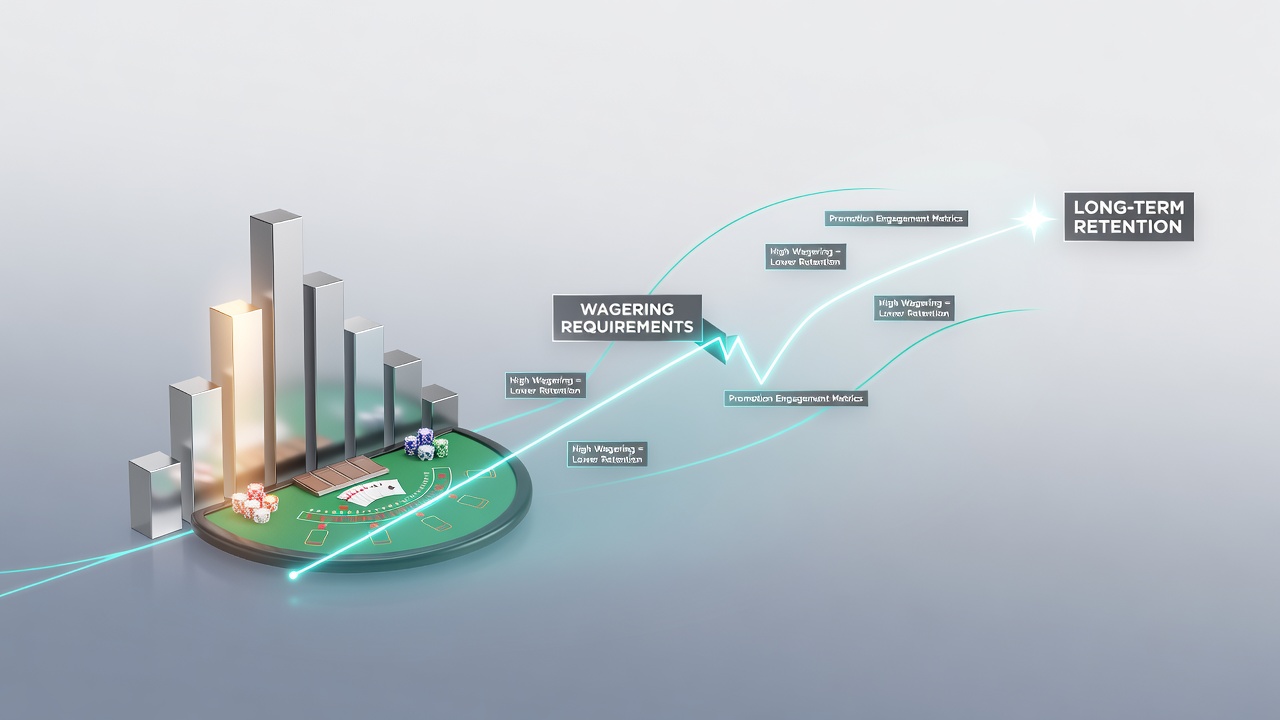
How Wagering Requirements Shape Retention Patterns in Table Game Promotions
Operators in the casino sector have long tracked how wagering requirements attached to table game promotions influence whether players return over extended periods, and data collected through 2026 continues to highlight measurable connections between these thresholds and retention metrics. Studies from regulatory bodies in multiple jurisdictions reveal that requirements exceeding 30 times the bonus amount often correlate with shorter engagement windows, whereas lower multipliers appear alongside steadier repeat activity in blackjack and roulette formats.
Analysts at the Nevada Gaming Control Board have documented shifts in player behavior following the introduction of tiered wagering structures in promotional campaigns during early 2026, noting that participants who clear moderate thresholds tend to maintain activity levels for an average of four additional months compared with those facing steeper conditions. This pattern holds across both land-based and digital table game environments where operators adjust bonus terms seasonally.
Defining Wagering Requirements in Table Game Contexts
Wagering requirements function as playthrough conditions that determine when bonus funds convert into withdrawable cash, and these rules typically specify the number of times a player must bet the bonus before accessing winnings from games such as roulette or baccarat. Industry reports indicate that table game promotions frequently carry distinct multipliers compared with slot offers because of differing house edges and session durations inherent to each category.
Operators structure these requirements to balance promotional appeal with risk management, yet evidence from longitudinal tracking shows that prolonged completion periods can lead to player drop-off once initial bonus funds diminish. Data compiled through August 2026 across several North American markets demonstrates that retention rates stabilize when operators provide clear progress indicators and flexible game contributions toward the total.
Retention Data Across Multiple Markets
Figures released by the Australian Communications and Media Authority illustrate that table game promotions with wagering demands below 20 times the deposit produce higher six-month retention figures than those set at 40 times or above, with the difference reaching approximately 18 percent in monitored cohorts. Similar patterns surface in Canadian provincial data where operators have experimented with hybrid requirements that scale according to player volume.
Researchers at the University of Nevada Reno have examined anonymized transaction records spanning 2025 and 2026, finding that players who encounter staggered wagering schedules maintain consistent table game participation longer than those presented with single large targets. The study attributes part of this outcome to reduced perceived pressure during early sessions, which encourages gradual habit formation rather than rapid completion followed by withdrawal.

Behavioral Patterns Observed in Table Game Segments
Players engaging with roulette and blackjack promotions often exhibit distinct responses to requirement intensity, and tracking data reveals that high-requirement offers draw initial sign-ups but yield lower repeat rates after the first month. Observers note that individuals who achieve partial completion frequently pause activity rather than push through remaining thresholds, resulting in measurable gaps in session frequency.
Promotional designs that incorporate table-game-specific contribution rates, such as 50 percent weighting for roulette spins toward the requirement, appear in several European markets where retention metrics have remained steadier through mid-2026. These adjustments allow operators to align bonus terms with actual gameplay economics while supporting longer-term engagement across different player segments.
Operational Adjustments and Their Measured Effects
Casino groups have introduced loyalty overlays on top of standard wagering conditions, granting bonus extensions or reduced multipliers to players who return consistently, and preliminary figures from these programs show improved retention curves in the three-to-six month range. Such modifications reflect ongoing analysis of how requirement rigidity interacts with player lifetime value calculations.
Regional variations continue to emerge, with North American operators favoring volume-based waivers while Asian markets emphasize time-bound completion windows, each approach producing distinct retention profiles according to aggregated industry datasets. Those who monitor these differences emphasize that no single structure dominates across all demographics or game types.
Conclusion
Available evidence demonstrates clear linkages between wagering requirement levels and the duration of player activity in table game promotions, with lower and more transparent structures frequently associated with sustained participation through 2026. Operators continue to refine these parameters based on jurisdiction-specific data, and ongoing measurement will determine which configurations maintain engagement most effectively across evolving regulatory landscapes.