Examining Wagering Requirements in Mobile No-Deposit Roulette Promotions
Written by Devon Vogel · Jun 20, 2026

Examining Wagering Requirements in Mobile No-Deposit Roulette Promotions
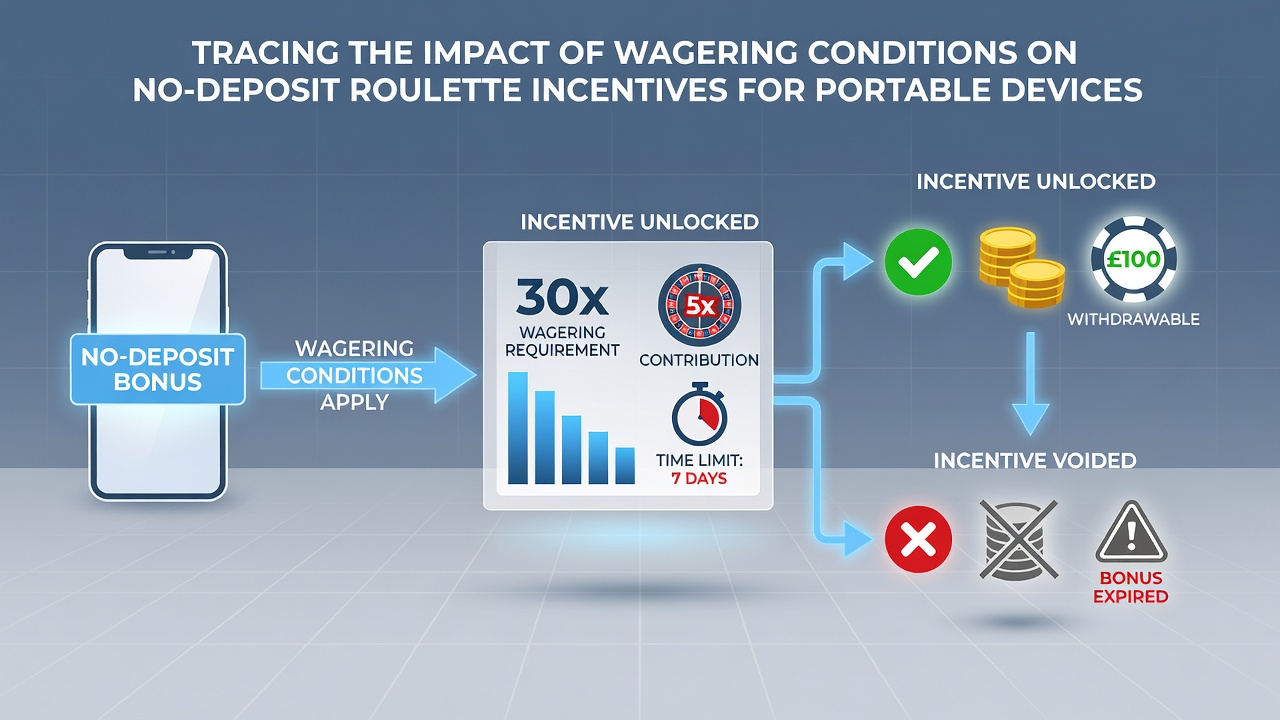
Wagering conditions require players to place bets totaling a multiple of the bonus amount before any winnings from no-deposit roulette incentives become withdrawable, and these rules directly shape how users interact with such offers on portable devices. Data from industry reports indicate that typical multiples range from 20x to 50x on mobile platforms, which affects session lengths and player retention rates in measurable ways. Observers note that portable device users often complete these requirements faster during short commutes or breaks because touch interfaces allow quicker bet placements compared to desktop setups.
Core Mechanics of Wagering Conditions
Operators set wagering conditions to balance player acquisition costs against revenue protection, and this balance shows up clearly in no-deposit roulette deals aimed at smartphone and tablet users. Research indicates that conditions tied to game contributions matter, since roulette bets usually count at 100% toward the requirement while other casino games may contribute less. Those who've analyzed bonus structures find that mobile-specific promotions sometimes adjust these percentages to encourage longer play sessions on smaller screens.
Figures reveal that when wagering multiples exceed 40x, completion rates on portable devices drop by noticeable margins according to aggregated player data. And this pattern holds because smaller screens limit simultaneous viewing of rules and game play, leading users to abandon offers midway through the requirement. Yet operators continue to apply these conditions because they generate additional handle even when final withdrawals remain limited.
Mobile Platform Specific Effects
Portable devices introduce unique variables into how wagering conditions perform, including battery life constraints and variable network speeds that interrupt bonus play. Studies found that players on mobile complete fewer spins per hour when network latency rises, which stretches the time needed to meet wagering targets. One analysis of user behavior showed that incentives with lower wagering multiples maintain higher engagement levels across both iOS and Android systems during peak evening hours.
What's interesting is how app notifications interact with these conditions, since timely reminders help users track progress toward the required bet total. Data shows that users who enable push alerts finish wagering requirements at higher rates than those who rely solely on in-app tracking. And this difference becomes more pronounced in June 2026 as newer mobile operating systems introduced improved notification grouping features that reduce alert fatigue.
Regional Regulatory Influences
Regulatory frameworks outside the primary UK market provide additional context for how wagering conditions evolve on mobile roulette incentives. According to reports from the Australian Gambling Research Centre, similar requirements in other jurisdictions have led to standardized disclosure rules that improve transparency for portable device users. These disclosures typically list contribution rates and time limits in a single accessible screen within the app.
Another source, the International Gaming Institute at the University of Nevada, has documented how wagering conditions affect cross-border mobile play patterns. Their findings indicate that players traveling between regions encounter inconsistent rules that sometimes reset progress on ongoing bonuses, which reduces overall incentive value on portable devices.
Player Behavior Patterns
Those who've tracked mobile roulette sessions observe that wagering conditions influence deposit decisions after the initial no-deposit phase ends. When users near completion of the requirement, they show increased likelihood of adding funds to extend play rather than cashing out small winnings. This pattern appears consistently across age groups and device types in aggregated industry statistics.
Take one dataset compiled in early 2026 that tracked over 50,000 mobile accounts; it revealed that incentives with time-bound wagering windows produced shorter average session durations than those with open-ended requirements. Observers note this occurs because users rush through bets to avoid expiration, which alters the natural pace of roulette play on touchscreens.
Future Developments in Incentive Structures
Industry analysts expect wagering conditions on no-deposit mobile roulette offers to incorporate more dynamic adjustments based on individual play history by late 2026. Such changes could include personalized multiples that scale with a user's previous completion rates, which would require operators to integrate advanced tracking within their portable apps. Evidence suggests these modifications might stabilize retention metrics while still protecting operator margins.
Researchers continue to examine how emerging device features like foldable screens and improved haptics alter the physical experience of meeting wagering targets. Early tests indicate that tactile feedback during spins can increase perceived engagement, potentially offsetting some negative effects of higher multiples on user satisfaction.
Conclusion
Wagering conditions remain central to the structure of no-deposit roulette incentives on portable devices, and their effects appear consistently across completion rates, session behaviors, and regional compliance standards. Continued monitoring of these mechanics will show how operators adapt requirements to maintain both player interest and business viability in the mobile space.