Customizing the Roulette Experience: UK Bonuses Shaped by Player Data Patterns
Written by Nils Jenkins · May 18, 2026
Customizing the Roulette Experience: UK Bonuses Shaped by Player Data Patterns
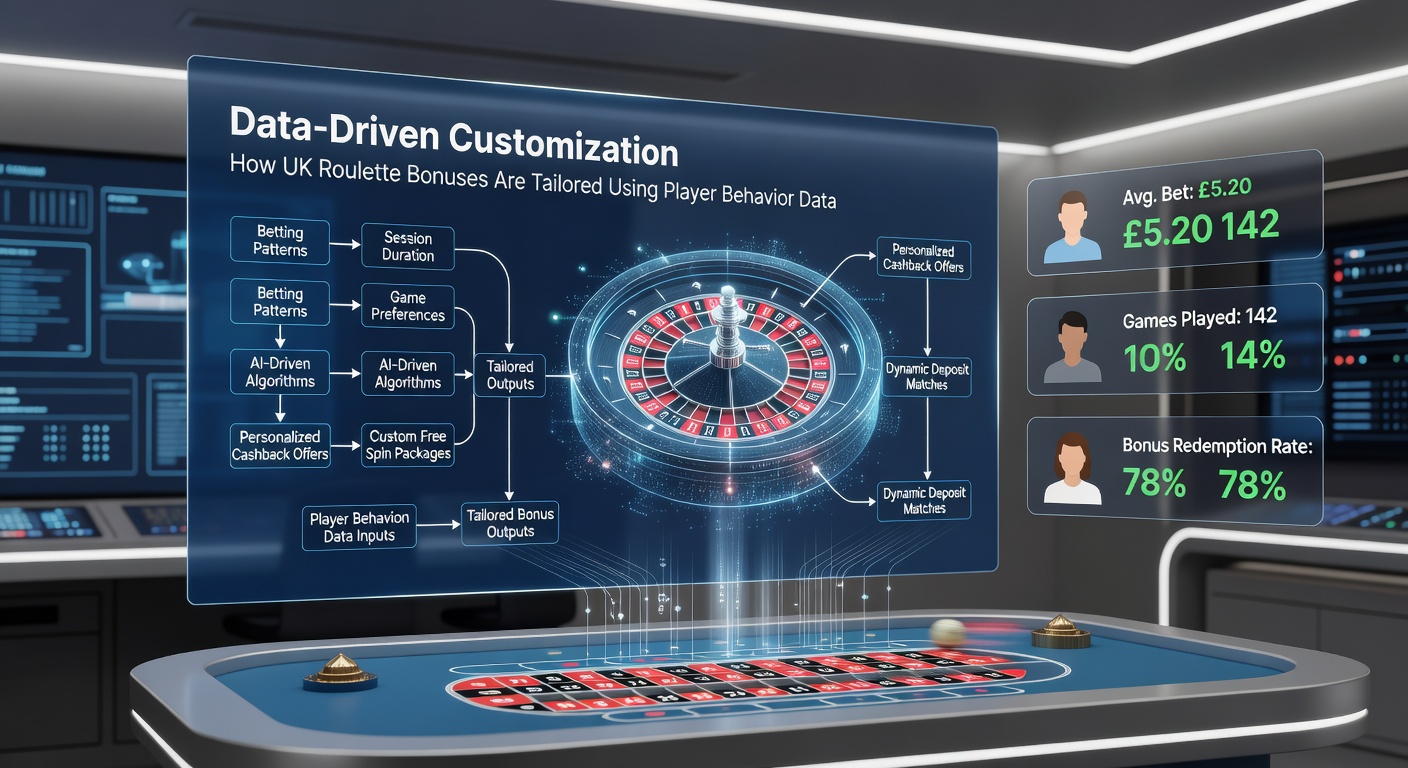
UK casinos analyze extensive player behavior datasets to refine roulette bonus structures and delivery methods, with operators tracking metrics such as session duration, average bet sizes, preferred game variants, and response rates to prior promotions. These patterns feed into algorithms that generate tailored offers for individual accounts, adjusting elements like bonus amounts, wagering multipliers, and eligible game lists. Data collection occurs through account registrations, gameplay logs, and interaction histories while operators maintain compliance with broader data protection frameworks across the region.
Data Collection Methods Behind Roulette Offers
Operators gather information from multiple touchpoints including deposit frequencies, withdrawal patterns, and time spent on specific roulette tables or variants, then aggregate these inputs to identify clusters of similar player profiles. Research indicates that such segmentation allows systems to predict which bonus types might extend play sessions or encourage deposits at particular intervals. For instance, players who favor European roulette over American versions often receive offers highlighting lower house edge games, whereas those showing high volatility tolerance see promotions tied to riskier table options.
External platforms contribute additional signals when users interact with casino apps or websites, revealing preferences for mobile versus desktop access and peak activity hours. One study from the University of Nevada Reno's gaming research division found correlations between late-night session lengths and preferences for reload bonuses that activate after midnight, prompting operators to schedule automated deliveries accordingly.
Segmentation and Personalization Techniques
Advanced analytics divide player bases into groups based on historical engagement levels, with high-frequency roulette users receiving bonuses that emphasize volume-based rewards while occasional players encounter incentives designed to boost initial deposits. Machine learning models process these categories continuously, updating recommendations as new behavior data arrives and refining predictions about which offers will trigger higher conversion rates. Observers note that this dynamic approach has led to measurable shifts in how bonuses appear across accounts, with some players seeing cashback percentages scaled to their recent loss ratios.
Figures from industry reports compiled by the Canadian Gaming Association reveal that personalized bonus campaigns in regulated markets achieve engagement rates up to 35 percent higher than generic promotions distributed uniformly. UK operators apply similar logic, integrating loyalty tier data with real-time behavior signals to determine bonus expiry windows or game restrictions that align with individual play rhythms.

Implementation Trends Observed in Mid-2026
As of May 2026, several major platforms have expanded their use of predictive modeling to anticipate bonus acceptance windows, timing deliveries to coincide with detected drops in activity or following significant wins that might encourage continued play. These systems cross-reference deposit methods with bonus uptake history, creating offers that favor players who consistently use certain funding options while varying the presentation format across channels such as in-app notifications or email campaigns.
What's interesting is how operators balance these customizations against responsible gaming protocols, embedding spending limit reminders within personalized messages adn adjusting bonus values to avoid encouraging excessive risk. Data from the Australian Institute of Family Studies gaming research unit highlights similar practices in other jurisdictions where behavior-informed offers correlate with improved player retention metrics without increasing problem gambling indicators when safeguards remain active.
Impact on Player Engagement and Retention
Tailored roulette bonuses influence session extension patterns, with evidence suggesting that players receiving behavior-matched offers maintain longer average play times compared to those exposed to standard promotions. Casinos monitor these outcomes through A/B testing frameworks that compare retention across control groups and personalized cohorts, then iterate on the underlying models. Players who demonstrate consistent roulette focus often encounter bonuses linked to specific wheel features or betting systems, whereas those exploring multiple table games receive more flexible terms that apply across variants.
Case examples include platforms that noticed clusters of players increasing stakes after receiving free spin bundles, leading to refined algorithms that prioritize such bundles for accounts showing similar early-session patterns. This iterative process relies on ongoing data streams rather than static rules, allowing adjustments as market conditions or player preferences evolve throughout 2026.
Conclusion
Behavior-driven customization continues to shape how UK roulette bonuses reach players, with operators leveraging aggregated datasets to align offers more closely with demonstrated habits and preferences. These practices draw on established analytics techniques while incorporating safeguards drawn from international research sources, resulting in dynamic systems that update frequently. Continued refinement of these methods reflects broader industry movement toward precision in promotional strategies across regulated gaming environments.