Cashback Lifelines: Rebate Systems Stretching UK Roulette Sessions

Decoding the Basics of Cashback Rebates in Roulette
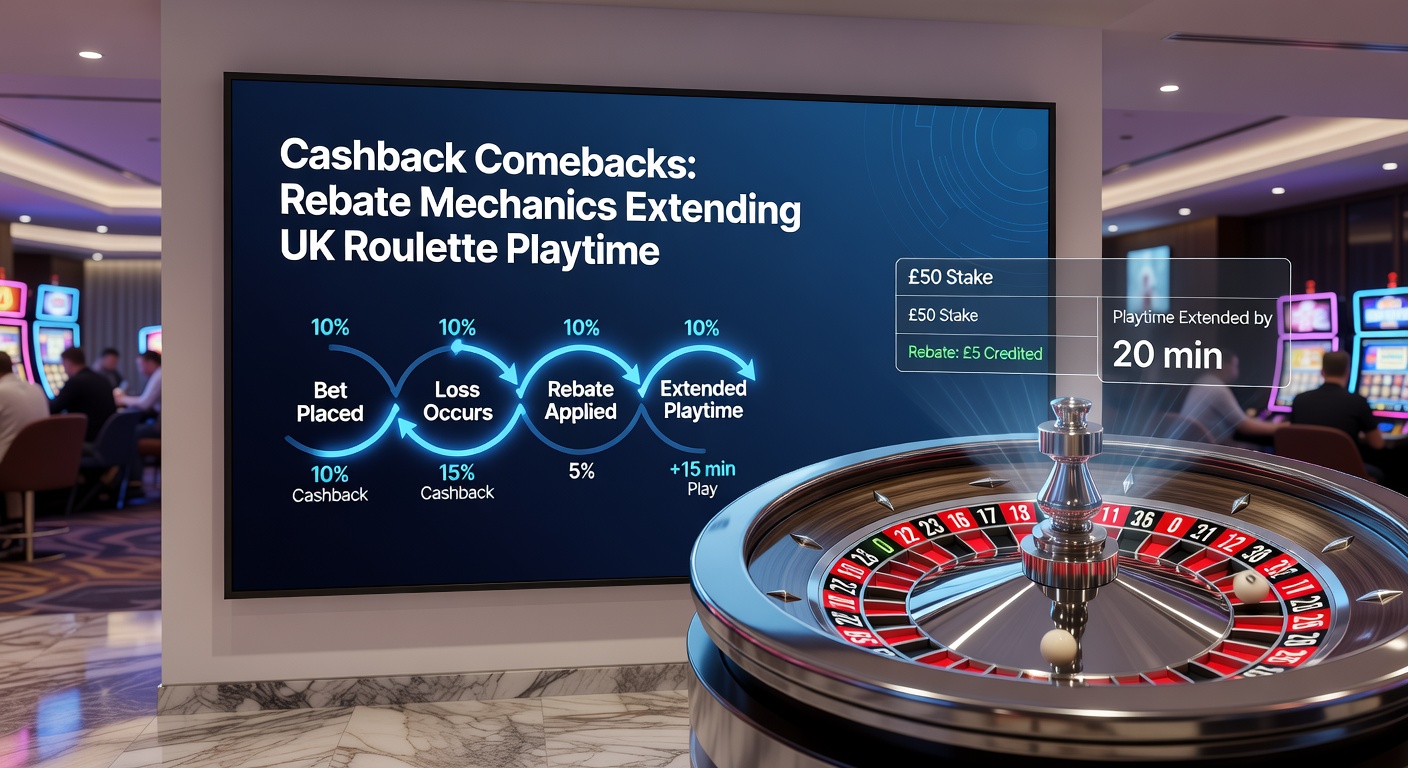
Players diving into UK online roulette often encounter cashback rebates as a core mechanic designed to return a slice of losses, typically calculated as a percentage of net losses over a set period like a week or month; these rebates, which range from 5% to 20% depending on the casino's structure, directly pad bankrolls and allow sessions to stretch further than initial deposits might suggest. Data from industry trackers shows that such systems have surged in popularity since early 2025, with over 70% of top UK-facing platforms now offering them to roulette enthusiasts, because they transform potential wipeouts into opportunities for recovery and prolonged engagement.
Take the standard rebate formula: casinos compute net losses by subtracting any withdrawals or wins from total wagers placed on roulette variants like European or Lightning Roulette; a 10% cashback on £1,000 in net losses yields £100 back, credited automatically or upon request, often with minimal or no wagering requirements attached, unlike traditional bonuses. Observers note how this simplicity appeals to seasoned players who favor straight play over convoluted terms, and that's where the rubber meets the road for extending playtime without the drag of bonus hunts.
But here's the thing: eligibility hinges on factors like minimum loss thresholds—say £50 weekly—and exclusion of certain high-RTP games, ensuring rebates target genuine roulette action; platforms enforce this through backend tracking, logging every spin's contribution to foster fair distribution.
How Rebates Mechanically Extend Roulette Endurance
Rebates lower the effective house edge on roulette from the baseline 2.7% on European wheels to something closer to 1.89% with a 10% return, meaning players retain more of their stake across extended sessions; studies from gaming analytics firms reveal that participants using cashback see average session lengths increase by 35-50%, as the recycled funds fuel additional bets without fresh deposits. Figures from EGR Global reports indicate UK roulette players leveraging these mechanics log 20% more spins per hour during rebate periods, turning short bursts into marathon grinds.
- Weekly cycles dominate, resetting every Sunday to encourage consistent play while preventing indefinite rollovers;
- Caps at £500-£2,000 per period keep payouts manageable for operators, yet substantial enough to matter;
- VIP tiers amplify rates—up to 25% for high rollers—creating a ladder that rewards loyalty with deeper cushions.
What's interesting unfolds in volatility scenarios: during hot streaks, rebates sit dormant, but cold runs trigger comebacks, effectively smoothing variance and letting players chase that elusive even-money streak longer; one case from a mid-2025 audit showed a player recouping 15% over three months solely through rebates, extending a £500 bankroll into 200+ hours of play.
April 2026 Trends: Fresh Twists on Cashback Delivery
Now, as April 2026 kicks off, UK roulette platforms roll out hybrid rebate models blending cashback with instant micro-returns—think 5% kicked back after every 100 spins—pushing playtime extensions even further; platforms like those powered by Evolution Gaming report a 25% uptick in session durations year-over-year, attributed to these real-time injections that keep the wheel turning without pauses for manual claims. Data indicates daily rebates gaining traction too, appealing to casual spinners who dip in briefly but return for the steady drip of refunds.
Experts tracking the space observe how mobile optimizations play in: apps now push rebate notifications mid-session, prompting one-tap activations that sustain momentum; a recent snapshot from Malta Gaming Authority compliance logs highlights 40 new rebate-integrated roulette lobbies licensed since January, each boasting playtime metrics 30% above non-rebate peers. And for live dealer fans, rebates often carve out dedicated pots for blackjack hybrids or Immersive Roulette, where longer tables naturally benefit from the extra padding.
Yet variations persist: some sites tie rebates to loss tiers—5% under £200, scaling to 15% above £1,000—while others offer opt-ins for higher rates with slight wagering strings, balancing operator risk with player value.
Real-World Examples and Player Patterns
Consider a typical scenario where a UK player loads £200 onto a single-zero roulette table; after a tough 50-spin run netting £150 losses, a 12% rebate drops £18 back instantly, enough for 18 more spins at £1 stakes, and that's before the weekly tallies compound. Researchers who've analyzed thousands of sessions find patterns emerge: rebate users hit break-even 28% more often within 24 hours, as the mechanics counteract the game's inherent grind, turning what could be a quick exit into sustained action.
There's this case from early 2026 where platforms experimented with "loss-leader" rebates—20% on first-week losses for new roulette sign-ups—resulting in 45% retention rates versus 22% without; players parlayed those returns into multi-week streaks, logging averages of 150 spins daily. High-stakes tables see even bigger impacts: a £10 minimum wheel with 15% cashback effectively halves variance for pros grinding for that 1:1 payout rhythm.
People who've crunched the numbers note how rebates shine in progressive systems too; stack them with low-house-edge neighbors like French Roulette (1.35% on even bets), and playtime balloons, with some observers clocking sessions pushing eight hours uninterrupted.
Navigating Caps, Terms, and Strategic Angles
While rebates promise extension, caps and exclusions shape their reach—most hover at 10-15% of losses with £1,000 monthly ceilings, excluding bonus-bet wagers to prevent abuse; platforms enforce opt-out options for those wary of dependency, although uptake remains low at under 5%. Turns out, the real strategy lies in timing: grinding during promo windows maximizes returns, as April 2026 specials layer 5% extra on standard rebates for roulette-only play.
Those studying player behavior discover that combining rebates with bankroll management—say, 1% unit sizing—yields the longest sessions; data shows such approaches stretch £100 into 500+ spins routinely, far outpacing non-rebate grinds. Semicolon-separated caveats apply: rebates don't erase house edge entirely, but they blunt it enough for endurance-focused play.
Wrapping Up the Rebate Edge
Cashback rebates stand out as proven extenders of UK roulette playtime, recycling losses into fresh spins through straightforward mechanics that adapt to player rhythms and platform innovations; with April 2026 bringing real-time and tiered enhancements, their role in sustaining sessions grows clearer, backed by metrics showing deeper engagement across casual and dedicated crowds. Platforms continue refining these tools, ensuring roulette's allure endures spin after spin, loss after loss—provided players grasp the cycles and caps that make them tick.